Work we can assess for your product
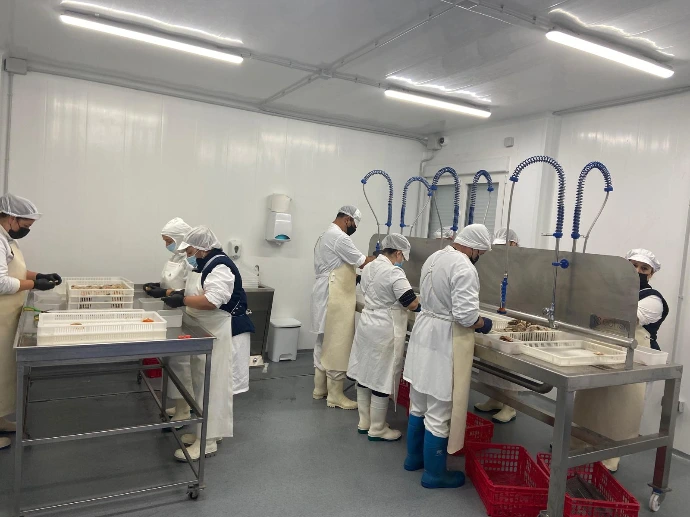
Contract processing can cover a single operation or a sequence of related tasks. Depending on the consignment’s characteristics, we assess selection, grading, cleaning, gutting, cutting, portioning, bagging, packaging, labelling, reboxing and preparation for dispatch. Not all products follow the same route: goods that are already packed may need a change of presentation, while others require preparation before packaging. That is why we define the scope before receiving the product. The proposal should state what your company supplies, which materials will be used, how batches will be identified and the conditions in which the finished goods must be delivered. This ensures that each stage supports the commercial result you seek.
From incoming format to prepared product
To organise an operation, we need to know how the raw material arrives: frozen or chilled, whole or prepared, in bulk or packaged, and with what identification. Using this information, we agree the tasks and finished presentation: portions, bags, trays, boxes or other groupings to be assessed. Batch, temperature, kilogram and yield-loss checks are considered during the work according to the defined process. Traceability links the received consignment to the prepared units and dispatch documentation. Where there are several product references or different instructions, they should be identified separately from the outset. The aim is for the product to finish in the agreed presentation for its next destination.
What we need to prepare a contract processing proposal
Send us the species or food description, its condition, the approximate volume and some photos of its current format. Explain which operation you need and how you would like to receive the result. If you already have a work specification, a customer specification or an example of the packaging and label, this documentation helps define the proposal. We also need to know who supplies the materials, the expected arrival date and the required dispatch arrangements. We can assess one-off jobs, seasonal campaigns or recurring requirements, always subject to project assessment. With these details, we can review the product’s route, the necessary tasks and the conditions that must be agreed before the operation starts.
Production support for importers, distributors and food processors
An importer may receive a consignment in a presentation different from the one their buyer requests. A distributor may need units adapted for hospitality, while a processor needs raw material prepared for the next process. Contract processing addresses these needs as defined jobs on the customer’s product. As well as describing the kilograms available, the enquiry should explain the production obstacle to be resolved and the result that will allow sales or processing to continue. This makes it possible to distinguish essential tasks from optional ones: grading, preparation, packaging, identification or regrouping. This distinction helps compare presentation alternatives and define the proposal’s scope. It also allows projects with several product references to be assessed without confusing their instructions or destinations.
How to organise seasonal campaigns and recurring product references
When a requirement recurs, it is useful to organise product references in a common work specification. For each one, record the product description, incoming format, operations, materials and finished presentation. Differences between customers or seasonal campaigns must be explicit: the same raw material may need different bags, boxes or labels. Forecast quantities and dates help assess organisation, but must be distinguished from a confirmed order. If a specification changes, identify the version to be applied to the next consignment. This information prevents an old instruction being applied to new work by mistake. We can assess a recurring sequence or one-off support, agreeing the conditions and information required for receipt in each case.
Details needed to assess your operation
- Product, condition and batch of the goods.
- Approximate volume and frequency of the work.
- Incoming format and finished presentation.
- Materials supplied and labelling requirements.
- Expected date and delivery conditions.
Frequently asked questions
What is the difference between contract processing and buying products?
In a contract processing operation, we work on products supplied by your company, following agreed instructions. The enquiry should describe the service you need to commission, as well as the goods themselves. It is also helpful to specify who supplies packaging, labels and boxes so that the scope of work is defined from the proposal stage.
Can we commission just one stage of the process?
Yes, we can assess a specific task, such as grading, bagging, labelling or reboxing, without necessarily proposing a complete process. Feasibility depends on the product, its condition, volume, materials and requested result. These details allow us to assess the preparation and checks each operation needs before confirming it.
Can we propose recurring work?
You can send us a forecast of product references, volumes and frequency so we can assess a recurring operation. It is useful to distinguish forecast quantities from confirmed quantities and indicate changes in format or seasonal campaign. We will review the scope and conditions of each project before agreeing its organisation and work dates.
Which documents help define a contract food processing project?
The product data sheet, buyer’s specifications and a description of the tasks help define the service. Include product references, batches, storage condition and forecast quantities. If packaging or labels have been defined, include their specifications and approved designs. We also need to identify who supplies each material and which presentation the next operator should receive. This provides the basis for reviewing the operations and identifying outstanding points before confirming the work.
Can I request a proposal for a new product?
You can propose a new presentation by providing the available information and distinguishing what is already defined from what still needs assessment. Photos of the raw material, the target format and the customer’s instructions help make the enquiry specific. Acceptance of the project depends on reviewing the product and requested operations. Any preliminary checks required must be agreed before confirming production or a recurring sequence.
Services that can complete the job
YOUR NEXT OPERATION
What does your product need?
Tell us the service, volume and finished format. We will work with you to assess how to organise the job.